Why it matters
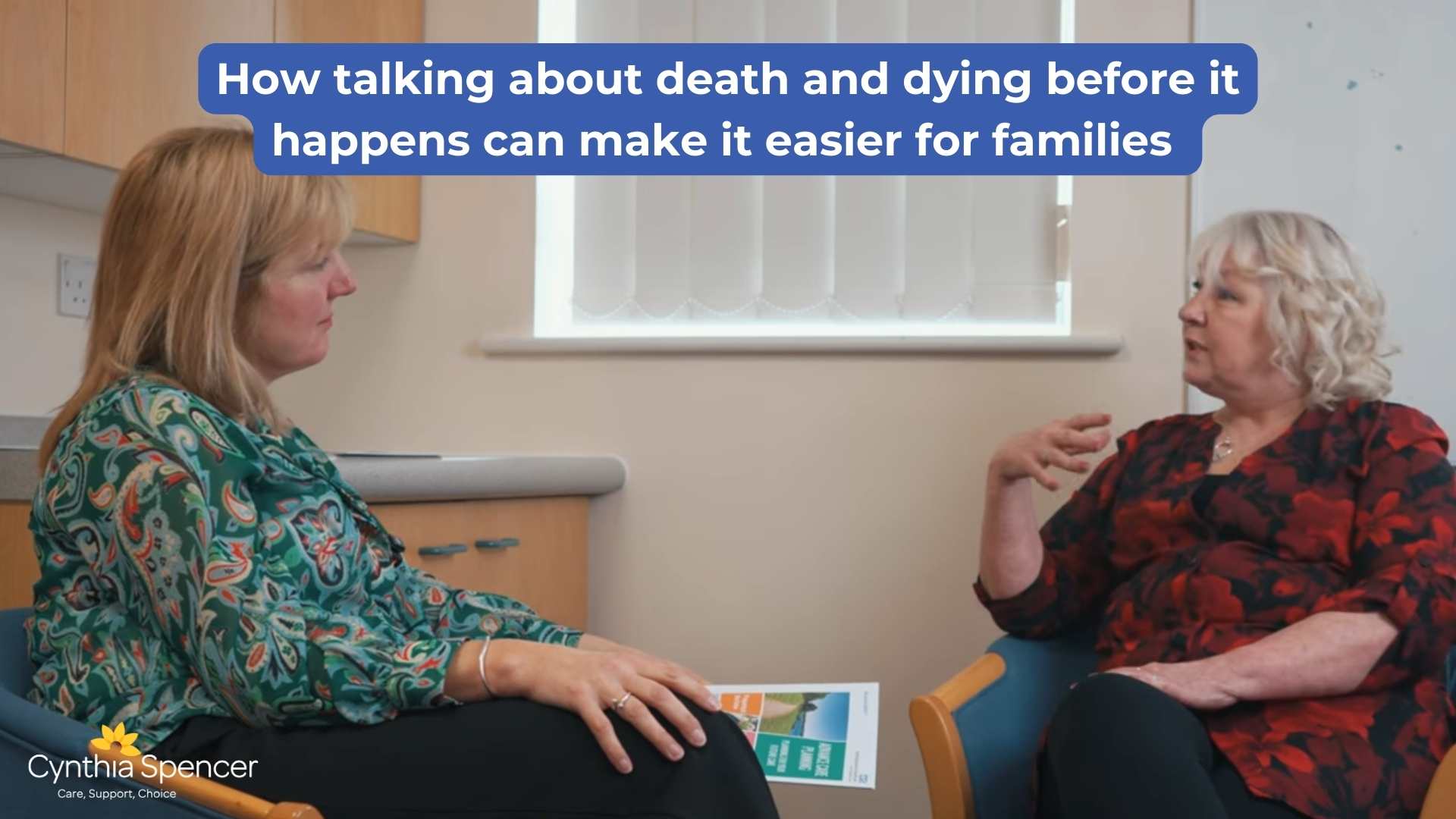
There’s no perfect way to talk about death and dying, but there are a few things you can do to make it easier.
It’s not easy to have a serious conversation when you’re in a rush or stressed, so try and
find a time when you don’t have to look at the clock and a place where you feel relaxed. It
can sometimes help to look for signs another person is happy to talk about the future. It
could be you’re talking about retirement plans, for example. Or maybe someone you know, or someone famous, has died.
Questions like
‘Have you ever wondered what
would happen if…?’ or
‘Do you think we should
talk about…?’
can be a more a natural way into a conversation than starting with a statement.
Phrases like ‘I know that talking about these things is never easy’ and ‘We’ve never talked about this before but…’ can be useful too.
It helps to be open. There might be laughter or tears, but there’s no reason to be afraid of either response. Make sure you listen to what the other person is saying too, and don’t feel the need to fill silences. They can give people a
chance to bring up what’s important to them.
If you’re worried about saying the wrong thing, could you try out what you want to say with a friend or colleague first? (And, if you are worried, remember that it’s usually the things we don’t say, rather than the things we do, that we regret.)
Don’t feel like you need to cover everything in one conversation. It might be easier to speak about things a few times, bit by bit.
If talking about death feels too tough, there are plenty of other ways to bring it up. You could
write a letter explaining what you’d like to say. Or you could give someone a list explaining
what you’ve loved most about your life, what you still want to do and what you want to
happen in the future.
What to talk about
There can be a lot of issues to talk through, so don’t feel you need to cover everything at once. Subjects could be:
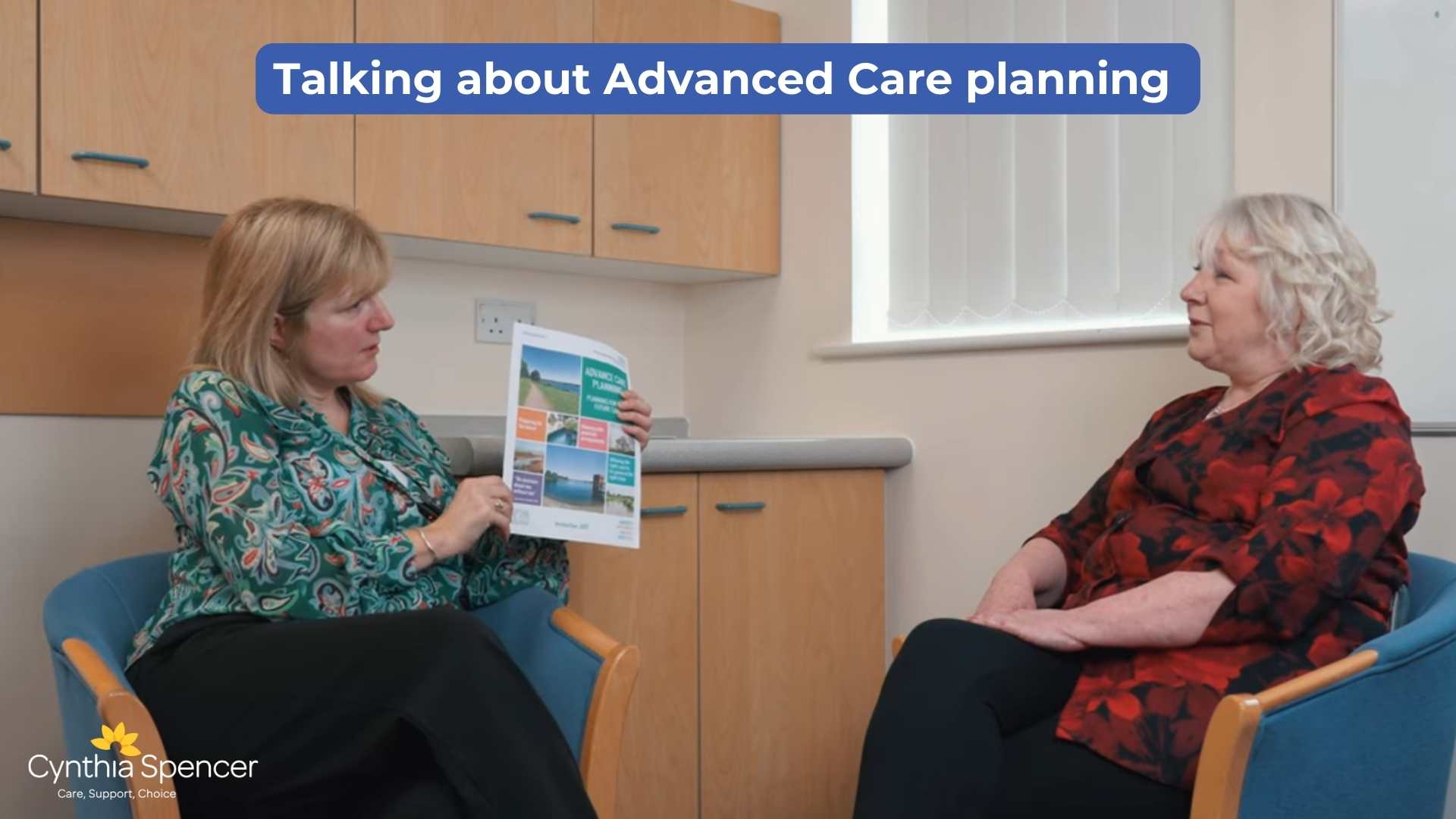
Planning ahead, using an Advance Care Plan, gives them the opportunity to think about, talk about and write down their wishes, preferences and priorities for their care. This will give everyone a clear idea of the things that are important to them, if there comes a time when they cannot express your wishes and preferences themself.
The way we respond when people bring up the subject can make a big difference.
If we struggle to talk about death, it can make it harder to support a grieving friend or answer questions from loved ones. But if we’re ready to listen, it makes it a lot easier to discuss things like Wills, funeral plans, how and where we want to be cared for, and worries about the future.
Fill in the form, and one of our team will contact you shortly.
When you complete this entry form you will be sent the terms and conditions to sign and return to us before the activity can begin.